When you click on links to various merchants on this site and make a purchase, this can result in this site earning a commission. Affiliate programs and affiliations include, but are not limited to, the eBay Partner Network.
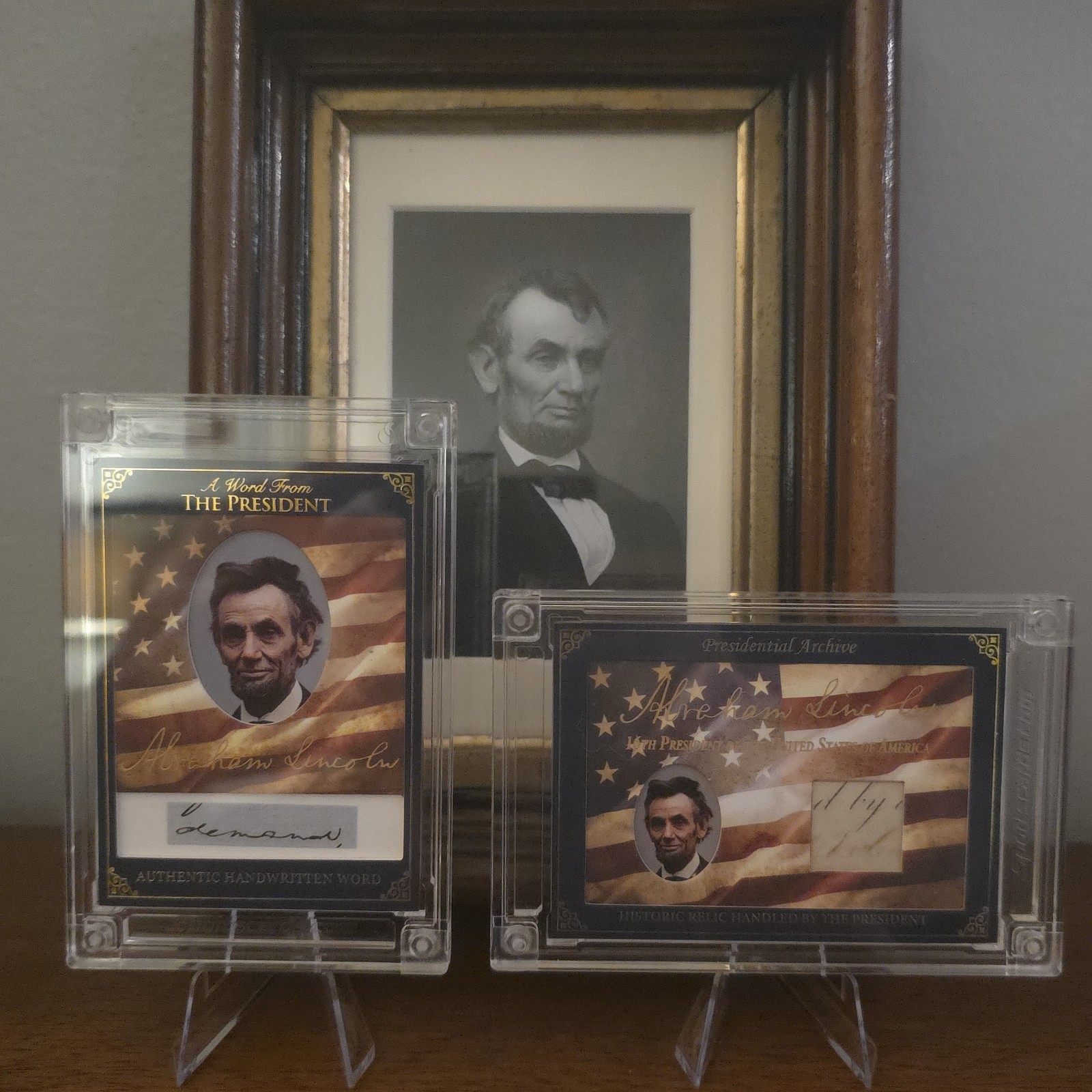
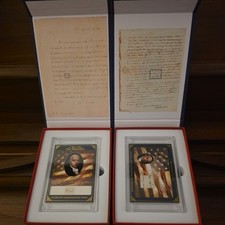
This Abraham Lincoln Authentic 🔥PLATE MATCHED🔥 Handwritten Word "demand" was carefully extracted directly from Lincoln's own personal legal document that is shown in the image, and is a legal plea handwritten by Abraham Lincoln himself. It represents a fascinating window into his daily life as an elite frontier litigator before he rose to national fame.
Part 1: Details of the Specific Document
• Date and Context: The document is undated but historically placed circa March 1855.
• The Case: It was drafted for the Illinois legal case John Williams vs. Ulysses Lindley and Theodore Baker. Lincoln and his law partner, William H. Herndon, were acting on behalf of the defense ("p.d." or pro defendente). This specific filing was part of an appeal process that Lincoln successfully guided all the way to the Supreme Court of Illinois.
• What the Document Says: Writing roughly 120 words on blue wove paper, Lincoln outlines a banking and contract dispute. He argues that the plaintiff's action should not stand ("actio non") because a financial institution (Mechanic's and Farmer's Bank) had failed to redeem its own circulating bank notes in lawful U.S. money. The note was subsequently protested by a notary public. Lincoln signs the document at the bottom right with his firm's signature: Lincoln & Herndon.
• Historical Significance: This text highlights Lincoln's mastery of the technicalities of nineteenth-century financial, banking, and property law. Long before the federal government created a single national currency, local banks issued their own paper notes. Litigating these currency failures built Lincoln's reputation as a highly meticulous, logical, and formidable corporate attorney in the Midwest.
⚖️ As a Lawyer (1836–1860)
• The "Honest Abe" Standard: Over a 24-year legal career handling thousands of cases across Illinois, Lincoln earned a reputation for absolute honesty. He famously advised aspiring lawyers: "Resolve to be honest at all events; and if in your judgment you cannot be an honest lawyer, resolve to be honest without being a lawyer."
🇺🇸 As President (1861–1865)
• The Abolition of Slavery: Lincoln issued the Emancipation Proclamation on January 1, 1863, transforming the Civil War into a moral crusade for human freedom. He later utilized every ounce of his political capital to ensure the passage of the Thirteenth Amendment, permanently outlawing slavery across the United States.
The 🔥PLATE MATCHED🔥 *HANDWRITTEN INK* document piece #616/649 featured on the Sportscards.com blog page is a Civil War-era presidential commission signed by Abraham Lincoln. This specific type of document reflects a highly personalized, sometimes politically complex connection between President Lincoln and his close Illinois associate, William Kellogg.📜 The Document Type: The image displays an ornate, partly-printed vellum document featuring an eagle and military vignettes. Historically, sitting U.S. presidents used these formal documents to appoint federal judges, territorial officials, and military officers.🤝 Lincoln Relationship with William Kellogg A Longtime Friendship: William Kellogg was an Illinois politician and lawyer who shared a personal and political relationship with Lincoln spanning more than twenty years. The Political Context: Kellogg served as an Illinois Congressman during the early part of the Civil War. However, the relationship grew complex over time due to intense wartime political friction regarding patronage, military placement requests, and trading permits.🏛️ The "Kellogg Commissions"Historically, when collectors or historians refer to a "Lincoln commission" involving William Kellogg, it usually refers to one of three significance, it usually refers to one of three significant appointments that Lincoln authorized: Chief Justice of the Nebraska Territory (1861 & 1865): In 1861, Lincoln appointed Kellogg to be the Chief Justice of Nebraska. Kellogg took a leave of absence to serve in the military, eventually resigning the judicial post. Famously, on April 13, 1865—the very day before Lincoln was assassinated—Lincoln wrote an order to the Attorney General stating: "Send me a Commission for William Kellogg, to be Judge in Nebraska...", re-appointing his old friend. West Point Cadet Re-appointment for His Son (1862): William Kellogg's son (William Kellogg, Jr.) resigned from West Point under difficult cirDespite institutional pushback, Congressman Kellogg heavily pressured Lincoln to re-appoint his son. In a June 1862 letter to the Secretary of War, Lincoln noted how deeply "painful" the situation was because the elder Kellogg was a dear personal friend. Lincoln ultimately relented and granted the commission.Collector of Customs at New Orleans (1865): In another of his final acts as president in April 1865, Lincoln commissioned Kellogg to serve as the Collector of Customs in New Orleans, a position later finalized under Andrew Johnson.