When you click on links to various merchants on this site and make a purchase, this can result in this site earning a commission. Affiliate programs and affiliations include, but are not limited to, the eBay Partner Network.
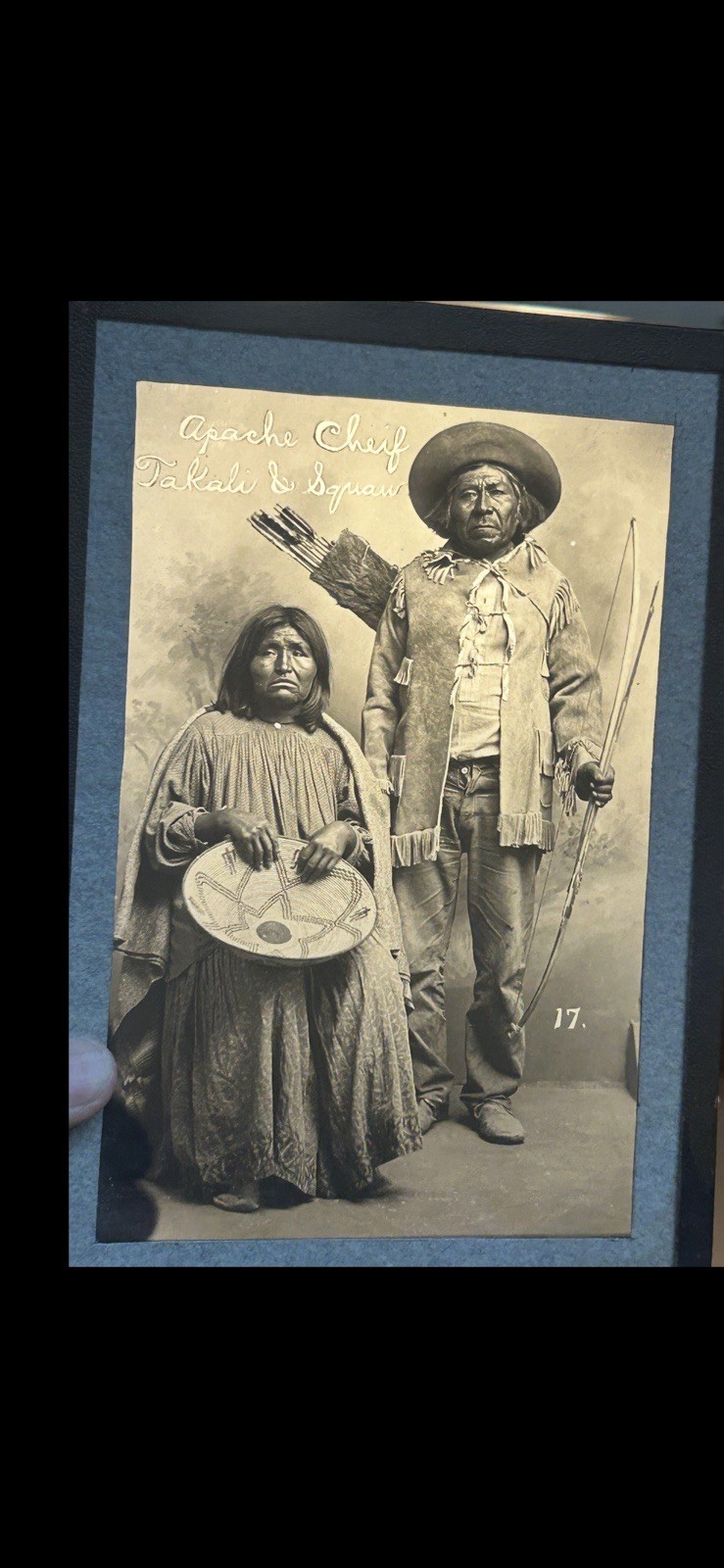
Here are five glass positives of negatives, possibly used as lantern slides before lights were invented. One of the images is uncommon recorded in most places that would have them.
The emulsion is visible on the backside, and the other side is shiny. By the looks of a these have hardly been handled.
Likely…original camera negative onto a film stock designed for positive images. This process reverses the negative image back to a positive, similar to a traditional print. &
Purpose:
The primary purpose of an interpositive is to serve as a master positive from which duplicate negatives (internegatives) can be made. This protects the original camera negative from wear and tear during the print-making process. ®
Benefits:
Using an interpositive offers several advantages:
• Preservation: It minimizes the handling and use of the original negative, extending its lifespan. *
• Duplication: It allows for the creation of multiple internegatives, which are used to produce a large number of prints. &
• Quality: It can help maintain image quality by reducing contrast buildup during the duplication process.
These positives are either the desired result, or they were meant used to make additional glass negatives. The person who made these copies had access to quality prints or negatives.
Born in Pennsylvania, Wittick arrived in New Mexico Territory in 1878 as a photographer for the Atlantic & Pacific Railroad. He left behind a wife and six children in Moline, Illinois, where he'd operated a photo studio following the Civil War.
He later operated studios in Albuquerque, Santa Fe, Gallup, and Fort Wingate.
Until his death in 1903, he photographed landscapes, settlements, events, and people throughout the Southwest during a period of immense cultural and economic upheaval. He is best known for his wide ranging photography of Native American subjects, especially his portraits of Pueblo, Navajo, and Apache people, which included unidentified sitters as well as tribal
leaders He later operated studios in Albuquerque, Santa Fe, Gallup, and Fort Wingate.
Until his death in 1903, he photographed landscapes, settlements, events, and people throughout the Southwest during a period of immense cultural and economic upheaval. He is best known for his wide ranging photography of Native American subjects, especially his portraits of Pueblo, Navajo, and Apache people, which included unidentified sitters as well as tribal leaders and military scouts on all sides of 1880s conflicts. and military scouts on all sides of 1880s conflicts.