When you click on links to various merchants on this site and make a purchase, this can result in this site earning a commission. Affiliate programs and affiliations include, but are not limited to, the eBay Partner Network.
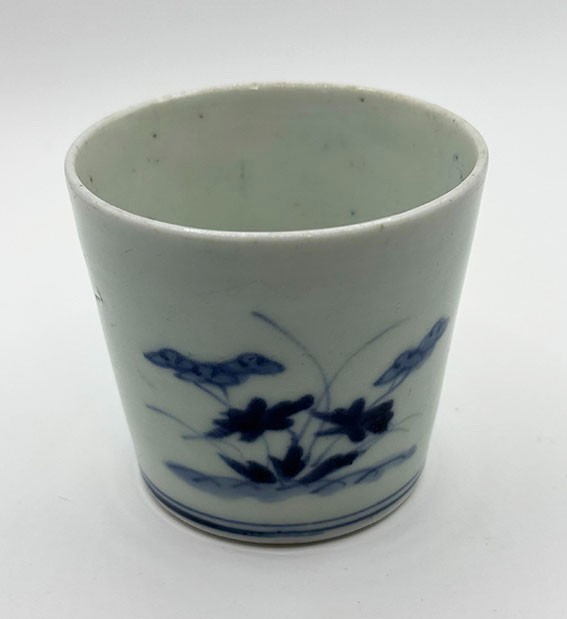
65mm x 60mmAntique Edo Period(300years ago) Ko-Imari Blue & White Sobachoko Cup – White Porcelain Sake Vessel, Sakazuki / Guinomi, Joseon StyleOriginally, soba choko were small cups for soba dipping sauce, but today they are collected as antiques and also used as ceramic cups for drinking sake. In Japan, many collectors enjoy sake from Ko-Imari (old Imari) soba choko. Clear sake looks especially beautiful against the indigo-and-white porcelain. They are also delightful for white wine. Most of them are Ko-Imari ware.
This piece dates from the mid to late Edo period (approximately 250 to 300 years ago). Each was handmade with care, and the designs typically feature motifs from nature—plants, trees, birds, or landscapes. No two pieces are exactly alike.
Soba choko originated in the Edo period, but they were not initially created for soba dipping sauce. Rather, they were often used asmukozuke—small dishes for delicacies or dressed vegetables. Over time, they came to be used for dipping sauce as well. As soba noodles became popular among the common people, these inverted trapezoid-shaped vessels began to be mass-produced. At the time, they were simply calledchoku, and the termsoba chokodid not come into common use until the Meiji period.
In the Edo period, it was also common to drink sake from soba choko. The deep indigo patterns harmonized beautifully with the clear sake, creating a refined aesthetic. Even today in Japan, enjoying sake from vintage soba choko is considered a luxury. As a personal hobby, I have collected many antique soba choko, and I hope people in the United States will also have the chance to appreciate their charm.
The charming patterns on these small vessels vividly express the artistic sensibilities of the Edo period and continue to captivate people even now. Please enjoy the elegant world created by the harmony of white porcelain and the indigo blue of the gosu glaze. Some cups show signs of repair, but in Japan, we have a cultural tradition of cherishing objects under the spirit ofmottainai?treating things with care, avoiding waste, and using them with affection for as long as possible.