When you click on links to various merchants on this site and make a purchase, this can result in this site earning a commission. Affiliate programs and affiliations include, but are not limited to, the eBay Partner Network.
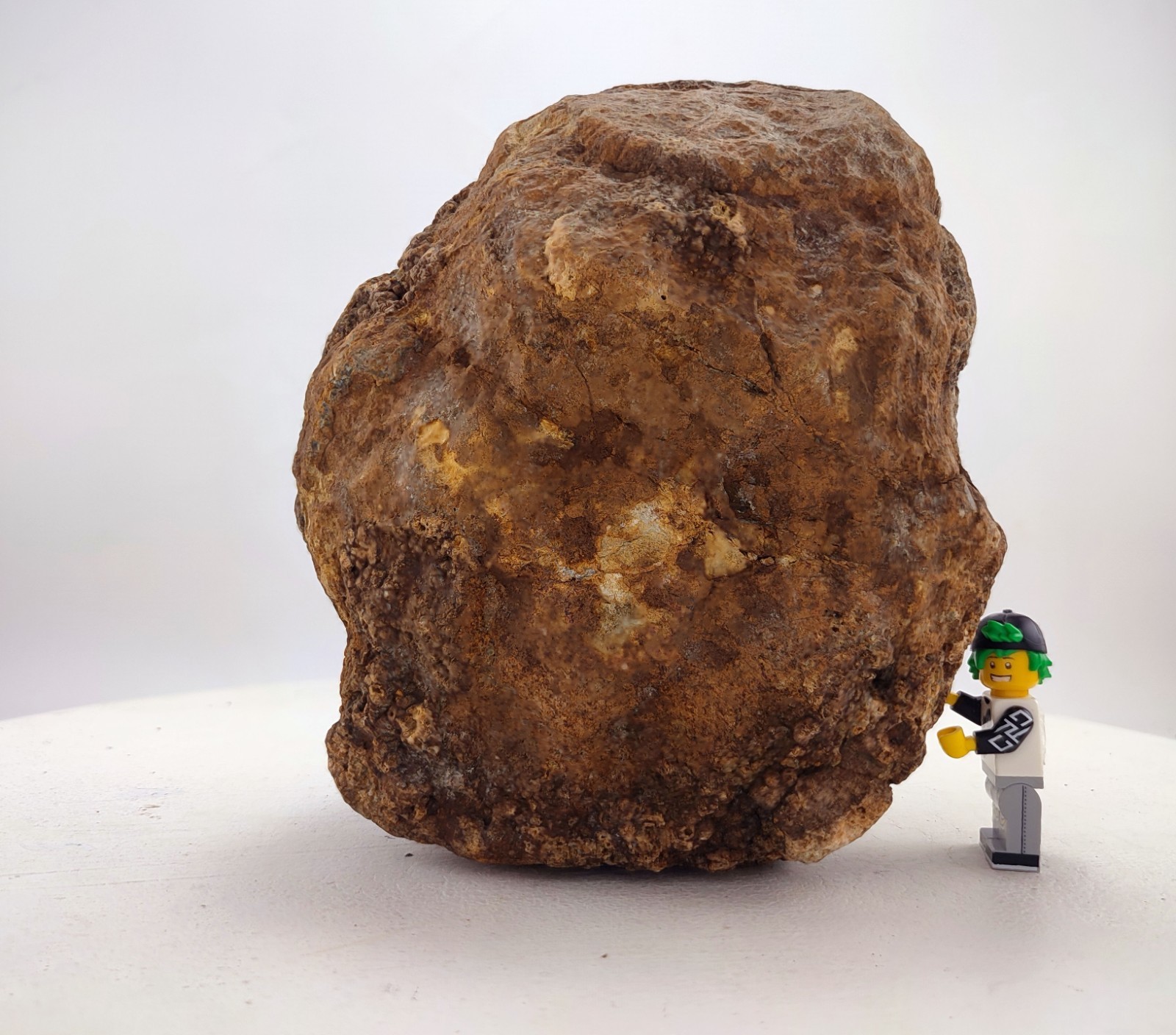
This listing is for a natural unopened geode from Kentucky.
Size: approximately 6 inches
Weight: 4.1 pounds
Style: Rattler (audible loose crystals inside)
Interior: unopened – exact formation unknown
Break-your-own specimen for collectors, hobbyists, or display
This geode has not been opened, preserving its natural state. The “rattler” quality means loose crystal fragments can be heard inside, suggesting a hollow pocket. As with all unopened geodes, the interior crystal structure is a mystery until broke open. Please refer to the pictures as they compliment the description.
This section isdesigned to clarify common types of geodes and related formations to helpbuyers make informed decisions and avoid misunderstandings. Geodes, nodules,and agates each have distinct characteristics, and not every specimen willreveal the crystal-lined cavity often expected.
- Geodes: Geodes are typically hollow rocks that form when mineral-rich water seeps into a cavity within a host rock. Over time, minerals like quartz, amethyst, or calcite crystallize along the interior walls, creating the beautiful and sparkling formations buyers often expect. However, not all geodes are completely hollow; some may be partially filled or have layers that give the appearance of a solid structure, even if a hollow core is present.
1a. Rattlers: A"rattler" is a unique type of geode with loose particles inside thatmake a rattling sound when shaken. This usually indicates ahollow or partially hollow cavity with fragmented crystals or debris, but thecontents can vary significantly. Rattlers add an element of mystery, as theirsound can hint at the interior structure without fully revealing it. Commontypes of rattling sounds and their indications include:
·Asharp rattle may mean broken crystals are bouncing around.
·Athud could indicate a clump of mud or another solid object.
·Asound like shaking sand likely means there is loose sand inside. This cansometimes be difficult to hear as it isn’t as noisy as the first two examples.
1a. Non Rattlers:Non-rattlers are the mystery type. These specimens do not make a soundwhen shaken, but that does notautomatically mean they are solid. Based on their external shape, weight,texture, or surface features, I believe many of them still contain an internalcavity it is simply not loose enough to produce a rattling sound. The interiormay be lined with crystals that are firmly attached, partially filled withmineral growth, or contain material that does not move freely. Because theygive no audible clue, non-rattlers remain uncertain until opened, making them atrue surprise for buyers who enjoy the unknown.
- Agates and Agate Geodes: Agate is a type of quartz known for its colorful banding, often seen in agate geodes. Agate geodes are hollow formations lined with banded or layered agate, which can give them an aesthetically pleasing look. However, not all agates exhibit strong banding; some may be more translucent or have inclusions rather than pronounced layers. Buyers should be aware that even if labeled "agate," not every specimen will have clear or vibrant bands.
- Nodules: Unlike geodes, nodules are solid formations without a hollow cavity. This is a critical distinction, as nodules lack the internal crystalline structure that many buyers associate with geodes. Though they may contain banded agate or other minerals, nodules are entirely solid.
What toExpect:
Because thereis natural variability among geodes, some may contain only minimal crystals orlack visible banding. It's essential to understand that:
- Not all geodes contain crystals or vibrant colors. Some may have subtle or incomplete crystal formation, while others might display only modest agate layers.
- Solid specimens labeled as nodules or agates will not reveal a hollow interior, even if they have a polished surface or show some banding.
- Descriptions such as "semi-solid" or "solid" reflect the actual formation, and buyers should expect that these pieces may appear solid or with only a small cavity when opened.
This clarityensures that each buyer is equipped with a realistic understanding of what theymay receive, enhancing both satisfaction and appreciation for the naturalvariation among geodes.
Formation of Geodes
Geodesform when mineral-rich water seeps into a cavity within a host rock, whichcould be volcanic or sedimentary. Over millions of years, this water depositslayers of minerals like quartz, calcite, or amethyst along the cavity walls,slowly creating crystals. The type of rock and the mineral content in the waterinfluence each geode’s unique characteristics. For instance, volcanic geodesmay form with vibrant amethyst, while Kentucky’s sedimentary geodes oftencontain clear or cloudy quartz crystals.
Sedimentary vs. Volcanic Geodes
- Sedimentary Geodes: Found in areas with limestone or shale, these geodes form through the slow deposition of minerals within sedimentary rock cavities. Kentucky geodes often contain quartz crystals and, occasionally, minerals like calcite or dolomite.
- Volcanic Geodes: Created within volcanic rock, these geodes often contain amethyst, citrine, or other minerals. Their hollow interiors were once gas bubbles within volcanic lava flows, which solidified and became mineral-lined cavities over time.
Eachgeode encapsulates a snapshot of Earth’s geological history, offeringcollectors a chance to own a piece of natural history.
Methodsof Opening Geodes
**It is crucial to prioritize safety when opening geodes by wearing safetyglasses. I cannot emphasize enough how important eye protection is in thisprocess. Please take this advice seriously to avoid any potential harm.
- Hammer and Chisel: This method involves scoring a line around the geode’s circumference with a chisel and then gently striking to create a clean break. This technique provides a controlled way to open the geode without excessive fragmentation.
- Lapidary Saw: For a precise cut, a lapidary saw allows for a smoother, polished opening, revealing the interior crystals with minimal damage. This method is ideal for those who wish to preserve the geode’s interior appearance.
- Soil Pipe Cutter: Although expensive, a soil pipe cutter can be used to create a more even break.
Openinga geode can be thrilling, unveiling its hidden beauty and offering a personalconnection to the wonders of geology.
Beyondtheir geological significance, geodes offer aesthetic appeal, providingglimpses into Earth’s intricate mineralogical processes. Whether you are aseasoned collector or a novice enthusiast, the world of geodes invitesexploration, unveiling the marvels concealed within these natural wonders. Fromthe historical landscapes of Kentucky to the terrains that birthed thesegeological wonders, geodes encapsulate the beauty and complexity of Earth’sgeological heritage.
Healingand Metaphysical Properties:
For those whoseek spiritual or healing benefits, geodes are believed to carry energies thatcan aid in emotional and mental well-being. Geodes possess a range of healingproperties beyond simply absorbing negative energy:
- Promotion of Emotional Balance: Geodes, particularly those containing quartz crystals, are believed to aid in emotional regulation and balance. They may help alleviate feelings of stress, anxiety, and depression by promoting a sense of calm and tranquility.
- Enhancement of Spiritual Connection: Many individuals use geodes in meditation practices to deepen their spiritual connection and foster inner peace. The unique energy of geodes is thought to facilitate spiritual growth and exploration.
- Amplification of Creativity: Geodes are often associated with enhancing creativity and inspiring artistic expression. By clearing the mind and promoting mental clarity, geodes can stimulate innovative thinking and encourage the exploration of new ideas.
- Support for Personal Development: Incorporating geodes into one's environment or spiritual practice can serve as a catalyst for personal development and self-discovery. They are believed to encourage introspection and reflection, leading to greater self-awareness and growth.
- Physical Healing: While the focus is often on their spiritual and emotional benefits, some believe that geodes may also have physical healing properties. For example, amethyst geodes are thought to promote overall wellness and alleviate physical ailments.
These claimsare supported by anecdotal evidence and the longstanding use of crystals invarious healing traditions. While scientific research on the specific healingproperties of geodes is limited, many individuals attest to their efficacy inpromoting well-being and holistic health
With apassion for geodes ignited in adolescence, I have dedicated decades tocultivating expertise through hands-on experience and extensive research. Myjourney into the world of geology and gemology began as a teenager, driven by afascination with the mysteries concealed within these natural wonders. Over theyears, I have meticulously scouted potential locations, exploring diverseterrains in search of these geological treasures.
Myexpertise is grounded in practical knowledge gained from countless hours offieldwork, where I've honed my skills in identifying promising geologicalformations and uncovering hidden gems. Through firsthand exploration andcollection, I have amassed a wealth of experience in handling and studyinggeodes of various types and origins.
Drawingupon years of hands-on experience and a lifelong passion for geology, I bring aunique perspective and insight to the study and appreciation of geodes. Myjourney is a testament to the transformative power of curiosity and exploration,and I am eager to share my knowledge and enthusiasm with fellow enthusiasts andseekers of geological marvels.